
 Facebook
 X
X
 Pinterest
 Copy Link
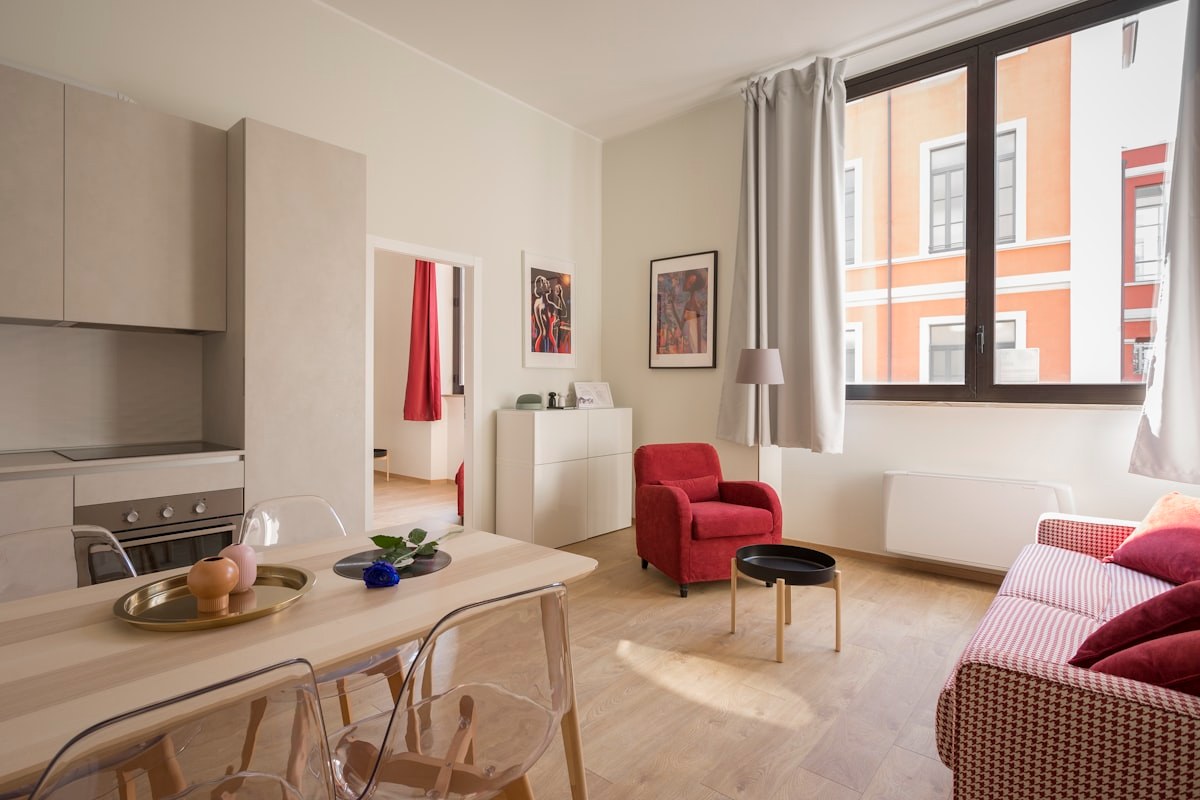
Charlotte has become one of the more investor-friendly cities in the Southeast when it comes to short-term rentals. But “investor-friendly” doesn’t mean “no rules at all.” Before you list that spare bedroom on Airbnb or buy a property specifically for Vrbo income, here’s exactly what you need to know about Charlotte’s short-term rental landscape in 2026.
Charlotte’s Current Regulatory Status
In April 2022, the City of Charlotte removed all short-term rental regulations from its Unified Development Ordinance (UDO). Prior to that, the city had attempted to pass STR ordinances that would have limited where rentals were allowed and required permits — but those efforts were ultimately reversed. As of 2026, Charlotte does not have a separate permit or registration requirement specifically for short-term rentals.
Both owner-occupied and non-owner-occupied short-term rentals can operate in Charlotte, as long as they comply with general North Carolina rules and Charlotte’s standard building and housing codes. There’s no city-mandated cap on nights, no zoning restrictions on STR use in residential areas, and no local permit required before listing. This puts Charlotte in a relatively permissive position compared to many major cities.
Taxes: What You’re Required to Collect and Remit
Just because there’s no permit doesn’t mean there’s no financial obligation. Hosts in Charlotte must collect and remit two categories of tax:
- Occupancy/Room Tax: Charlotte and Mecklenburg County together charge an 8% occupancy tax on short-term rentals (stays under 90 days) — the same tax hotels pay.
- State Sales Tax: North Carolina charges 7% sales tax on STR gross receipts. Mecklenburg County adds 2.25% local sales tax, bringing the combined total to 9.25%.
Airbnb collects and remits most of these taxes automatically on behalf of hosts in North Carolina. If you’re listing on Vrbo or a direct booking site, you’ll need to collect and remit these taxes yourself. Consult a tax professional familiar with STR rules — mismanaging lodging taxes is one of the most common compliance mistakes hosts make.
Building Codes and Safety Requirements
Even without an STR-specific ordinance, your property must meet Charlotte’s general building and housing standards under Chapters 5 and 12 of the Charlotte Code of Ordinances. In practice, this means:
- Working smoke detectors and carbon monoxide detectors in appropriate locations
- Functioning heating and cooling systems
- Adequate ingress/egress (no blocked exits)
- Habitable conditions — proper plumbing, electrical, and structural integrity
- No violations on the property’s housing code record
Charlotte’s code enforcement division can and does inspect properties when complaints are received. Maintaining your property to code is both a legal requirement and a smart hosting practice.
CMPD Rental Registry
The Charlotte-Mecklenburg Police Department maintains a rental property registry that applies to both short-term and long-term rentals. Registration is mandatory if your property meets certain “disorder risk” thresholds (typically triggered by multiple documented incidents), and voluntary for all others. Registering voluntarily creates a direct communication channel with CMPD if issues arise — it’s worth doing regardless of whether it’s required.
HOA Restrictions: The Variable That Trips Up Most Buyers
Here’s where many short-term rental investors in Charlotte get caught off guard: while the city doesn’t restrict STRs, your HOA might. Many planned communities and condo buildings have CC&Rs that explicitly prohibit rentals of fewer than 30 days, or require HOA board approval before any rental activity. This is especially common in Uptown condo buildings, South End developments, and some master-planned suburban communities.
Before purchasing a property with Airbnb income in mind, always request and carefully review the HOA documents — specifically the rental restrictions section. HOA rules are enforced at the community level, and violations can result in fines, forced listing removal, or legal action from the HOA board.
Best Areas for Short-Term Rentals in Charlotte
Not all Charlotte neighborhoods perform equally as STR markets. Areas with the strongest demand tend to be:
- NoDa / Plaza Midwood: Strong weekend tourism, arts events, and proximity to nightlife drives consistent demand.
- South End / LoSo: Popular with corporate travelers and visitors attending South End events. Good weeknight occupancy.
- Uptown: High demand on event nights (Panthers games, concerts, conventions) but slower on non-event weeknights.
- University City: Steady demand from UNCC visitors, sports events, and NASCAR fans near Charlotte Motor Speedway.
- Lake Norman: Strong leisure demand in spring and summer, with premium rates for waterfront properties.
Bottom Line for Charlotte STR Investors
Charlotte remains one of the more accessible markets for short-term rental investment in the Carolinas. The absence of city-level STR regulation gives investors more flexibility than markets like Raleigh or Asheville. But taxes, building codes, HOA rules, and proper property management all still apply. If you’re evaluating a specific property for short-term rental use, I’m happy to walk through the due diligence process with you — including HOA review, neighborhood demand analysis, and realistic income projections.
Ready to Explore Charlotte Investment Properties?
I’m Waleed Nafisah, a Charlotte native and licensed real estate broker with ERA Live Moore. Whether you’re buying, selling, or just exploring your options, I’m here to help — no pressure, no jargon, just straight answers.
👉 Schedule a free 30-minute consultation and let’s talk about your Charlotte real estate goals.
Related Charlotte Real Estate Guides
- Gated Communities in Charlotte NC: A Complete Buyer’s Guide for 2026
- How to Make an Offer on a Home in Charlotte NC: 2026 Step-by-Step Guide
- Harrisburg NC Homes for Sale: A Growing Cabarrus County Suburb in 2026
Frequently Asked Questions About Charlotte
Is Airbnb legal in Charlotte NC in 2026?
Yes, short-term rentals are legal in Charlotte, but hosts must register with the city and comply with zoning rules. As of 2026, Charlotte requires an STR permit, limits rentals in certain residential zones, and enforces a local privilege license tax. Always verify current regulations with the City of Charlotte’s planning department before purchasing.
How much can you make with an Airbnb in Charlotte?
Charlotte Airbnb hosts typically earn $2,500–$5,000/month depending on location, property size, and amenities. Properties near Uptown, South End, NoDa, and Bank of America Stadium tend to earn the most due to consistent demand from business travelers and event attendees.
What Charlotte neighborhoods are best for short-term rentals?
The highest-performing STR neighborhoods in Charlotte include Uptown, South End, NoDa, Dilworth, and Plaza Midwood. All are within walkable distance of entertainment, restaurants, and attractions. University City also performs well during UNCC events and hospital travel-nurse demand.
Do I need a license to run an Airbnb in Charlotte NC?
Yes. As of 2026, Charlotte requires hosts to register with the city, obtain a privilege license, and remit applicable STR tax. Certain residential zoning districts restrict or prohibit short-term rentals entirely. Consult Charlotte’s unified development ordinance or speak with a local real estate attorney before investing.
What is a good cap rate for Charlotte rental properties in 2026?
A cap rate of 5–8% is considered solid for Charlotte in 2026. Short-term rental properties in prime locations can push 8–12% gross yields. Long-term rentals in high-demand suburbs like Harrisburg, Steele Creek, and Indian Trail typically see 6–8% cap rates on stabilized properties.
Is Charlotte a good market for real estate investment in 2026?
Charlotte ranks among the top Southeast real estate investment markets in 2026. Strong job growth in finance, healthcare, and tech, combined with continued in-migration from the Northeast and Midwest and relative affordability compared to peer cities like Nashville and Raleigh, make it an excellent market for both long-term and short-term rental investors.
I’m Waleed Nafisah, a Charlotte native and licensed real estate broker with ERA Live Moore. Whether you’re buying, selling, or just exploring your options, I’m here to help.


